

Digital Tools That Keep Family Cases Moving When Life Feels Stuck
Family law moves at the pace of paperwork, phone calls, and court calendars. When you are facing divorce, custody questions, or support disputes, delays add stress you do not need. Digital tools are changing that experience by keeping cases moving even when life around you feels stuck. Virtual meetings, secure portals, and online updates make it easier to communicate with your attorney and stay involved in your case. Used thoughtfully, these tools can help you feel more informed, more supported, and less overwhelmed throughout the legal process.
In modern family law and domestic legal representation, three tools now work together to streamline almost every step of a case. Virtual consultations allow you to talk with your attorney without leaving home or work. Secure document sharing protects sensitive records while getting them into the right hands quickly. Online case management tools keep information organized so you are not digging through old emails or voicemails. When these systems are coordinated, your attorney can spend less time chasing paperwork and more time building the strategy that protects your family.
Virtual Consultations That Respect Your Time and Emotional Bandwidth
Virtual consultations let you meet your family law attorney by video or phone from a place that feels safer and more comfortable. You can attend from home during a child’s nap, from your office over lunch, or from a private room away from an opposing party. This flexibility reduces missed work, childcare costs, and the emotional effort of sitting in a law office lobby. It also makes it easier for both parties in a separation or custody matter to attend meetings without crossing paths. For many clients, especially those juggling parenting and employment, virtual access makes seeking legal help feel possible instead of overwhelming.
Virtual consultations also support more frequent, shorter check-ins when your case is changing quickly. Instead of waiting weeks for a time when everyone can meet in person, your attorney can schedule targeted updates by video to review new developments. This can be especially useful during fast-moving custody disputes or emergency protection matters where decisions must be made quickly. For clients who have moved or are living temporarily with family, virtual meetings keep them fully engaged in the process. When done through secure platforms, these conversations remain confidential and focused, while giving you space to process difficult topics in a familiar environment.
Preparing for an Online Meeting with Your Family Law Attorney
A virtual consultation works best when you prepare as carefully as you would for an in-office meeting. Start by writing down your main goals, your timeline concerns, and any urgent questions so important points are not lost in the emotion of the moment. Gather key facts such as dates of separation, children’s schedules, and prior court orders, and keep them within reach. Choose a quiet, private location where you will not be overheard by children, extended family, or an opposing party. Test your device, internet connection, microphone, and camera ahead of time so the meeting can focus on your case rather than on technology problems.
- Have a notepad or digital document ready to capture questions and next steps.
- Keep identification and any court papers nearby in case your attorney needs to confirm details.
- Silence notifications on your phone and computer to reduce distractions during emotional conversations.
If you share a home or devices with the person on the other side of the case, take extra steps to protect your privacy during the call. Consider using headphones so no one can overhear your attorney’s advice. If you cannot speak freely at home, ask your attorney about scheduling during a time when you can step outside or use another safe location. Before the meeting ends, confirm what documents you will need to upload and what deadlines are approaching. This level of preparation turns a virtual meeting into a focused working session that moves your case forward.
Secure Document Sharing for Sensitive Family Records
Family law files contain some of the most private information in your life, including financial records, children’s details, and health information. Emailing these documents back and forth can expose them to hacking, misaddressed messages, or access by someone who shares your devices. Secure document sharing through an encrypted client portal greatly lowers these risks while speeding up the process. Your attorney can invite you to upload bank statements, pay stubs, school records, and photos directly into your case file. Once uploaded, documents are stored in one organized location instead of scattered across personal email accounts and text threads.
Secure portals also make it easier to keep track of which documents you have provided and which are still needed. Many systems allow your attorney to assign document requests with due dates, so you can see exactly what is outstanding. You may be able to scan papers with your phone and upload them instantly, without needing a home scanner or a trip to the office. This reduces delays that can push back hearings or settlement negotiations. With accurate, complete documentation available quickly, your attorney can analyze options sooner and advocate more effectively on your behalf.
Online Case Management That Reduces Confusion and Conflict
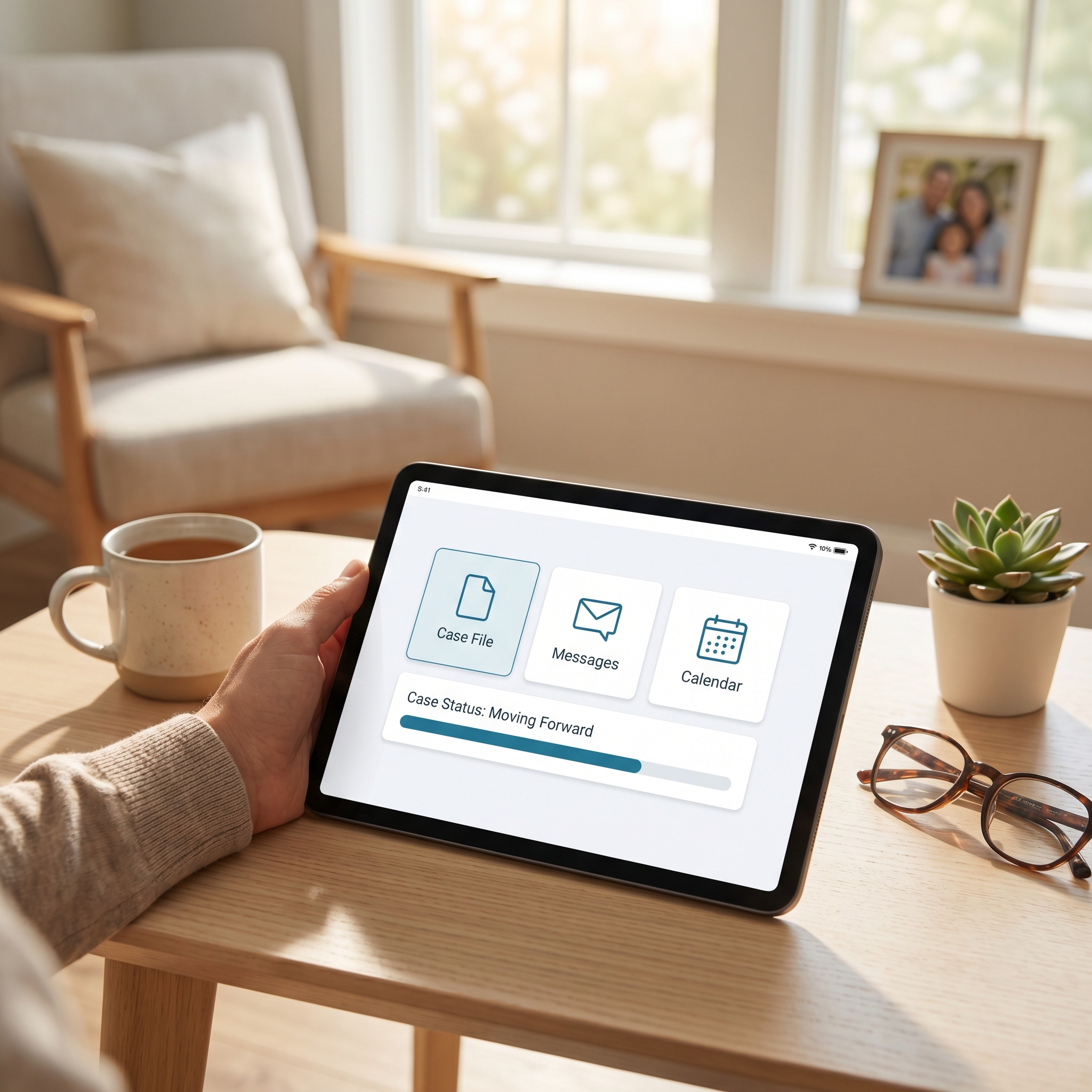
Online case management tools bring together messages, documents, court dates, and tasks in one secure place. Instead of sorting through long email threads to find a single attachment, you can log into your portal and see a clear timeline of your case. Many systems allow you to view upcoming hearings, mediation sessions, and filing deadlines on a shared calendar. You may also be able to send non-emergency questions to your attorney through secure messaging, reducing phone tag and missed calls. This level of organization helps you feel less in the dark about what is happening and what comes next.
Clear, shared information can also reduce conflict in family law matters, especially in ongoing co-parenting situations. When orders, parenting schedules, and important communications are easy to access, misunderstandings have less room to grow. Some tools allow you to review filed documents so you can double-check details before important dates. Others track when messages and documents are viewed, creating a record that can be useful if compliance becomes an issue. By keeping everyone informed and accountable, online case management supports smoother communication and steadier progress toward resolution.
Protecting Privacy and Safety When Using Digital Family Law Tools
While technology can make family law processes smoother, safety and privacy must always come first. If you are experiencing domestic violence or controlling behavior, an abusive partner may monitor your devices or online accounts. In that situation, your attorney needs to know right away so digital tools are used in ways that do not increase risk. You may need to avoid logging into a portal from shared devices or receiving notifications that could be discovered. Your lawyer can adjust communication methods and help you plan safer ways to access legal information.
- Ask your attorney whether the platforms used are encrypted and password protected.
- Use strong, unique passwords and enable two-factor authentication on any legal or email accounts.
- Log out fully after sessions, especially when using a shared or borrowed device.
If technology does not feel safe, there are still ways to benefit from streamlined processes without putting yourself at risk. You might use printed copies or in-person pickup for critical documents while limiting online activity. Shelters, advocacy organizations, or trusted friends may provide safer devices or locations for virtual meetings. Always tell your attorney about any monitoring or access concerns so they can tailor their approach to your situation. Together, you can strike a balance between efficiency and protection that respects your safety above all else.
Choosing a Family Law Firm That Uses Technology Wisely
Not every family law firm uses digital tools in the same way, so it is appropriate to ask careful questions before you commit. You can ask what platform they use for virtual consultations and whether it is designed for confidential professional use. It is also helpful to learn how documents are stored, who in the office can see them, and how long they are kept. Ask whether you will have access to an online portal for case updates, or if communication will mostly be by email and phone. These questions help you understand whether a firm’s systems match your comfort level and expectations.
A thoughtful family law team will use technology to support, not replace, the human relationship between attorney and client. They will recognize that some conversations are too sensitive for quick messages and deserve a scheduled virtual or in-person meeting. They will also be ready to adjust for clients who have limited internet access or safety concerns around shared devices. When you find a firm that blends virtual consultations, secure document sharing, and online case management with compassionate counsel, your case can move forward more smoothly. In difficult seasons for your family, that combination of efficiency and care can make a challenging process more manageable.

