

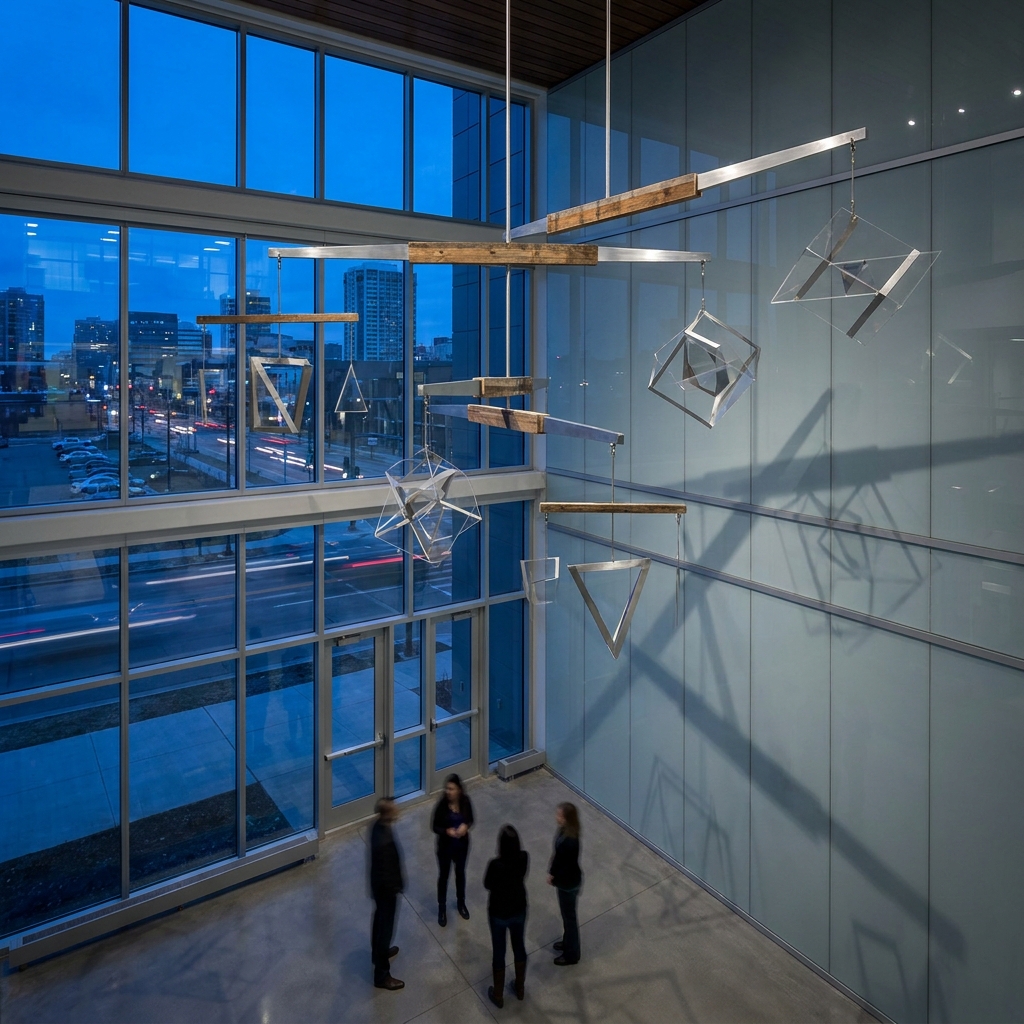
When Family Law Meets Sculpture and Motion
Family law often feels flat on the page: pleadings, financial affidavits, and court orders reduce complex lives to written lines. Yet every family is more like a sculpture than a sketch, with depth, texture, and shifting perspectives. Pursuing sculpture, kinetic art, and interactive installations for creative expression inspires new ways to approach these layered stories. For some clients, especially children, words alone are not the easiest way to communicate what life at home truly feels like. Thoughtfully bringing three-dimensional and interactive concepts into the legal process can make representation more accurate, humane, and accessible.
These artistic approaches do not replace legal analysis or professional judgment. Instead, they offer family lawyers additional tools to help clients express themselves, understand options, and visualize possible futures. Three-dimensional thinking can clarify complicated parenting schedules, long-term support obligations, or property divisions that are hard to grasp as simple lists. When counsel invites clients to engage with processes inspired by sculpture or kinetic art, the law becomes something they can see, touch, and mentally rehearse. That can reduce confusion, build trust, and support more durable agreements.
Reimagining Family Stories in Three Dimensions
Traditional case intake relies heavily on questions and written timelines, which can overwhelm clients already under stress. A sculptural mindset encourages lawyers to think of each case as a structure built from many small pieces, not a single fixed narrative. Clients can be invited to map key relationships, resources, and concerns as if they were building a physical model. Even when no literal sculpture is used, this three-dimensional framing helps them prioritize what matters most. The result is a more organized, concrete picture of the family system you are advocating for.
Three-dimensional tools can be especially helpful in cases involving extended family, blended households, or multi-home parenting. Asking clients to picture their situation as a structure with multiple levels can reveal points of tension or instability that written answers might hide. Visual metaphors, like pillars of support or bridges between households, can help identify what needs reinforcement. This type of thinking also supports creative settlement options, because clients can more easily imagine adjustments to the “structure” without feeling the entire case will collapse. In practice, that can lead to more tailored proposals and fewer surprises during negotiation.
Kinetic Art as a Tool for Explaining Change
Kinetic art, which moves and responds to its environment, offers a powerful way to explain that family law outcomes are not frozen in time. Parenting plans, support arrangements, and boundaries between households often need to adapt as children grow and circumstances change. Describing these orders as “moving pieces” in a kinetic work helps clients understand flexibility without assuming that nothing is stable. This metaphor can reduce anxiety about future modifications, because change is framed as expected and manageable. It also supports more realistic expectations about what any single court order can do.
Lawyers can borrow from kinetic art when explaining how different choices will ripple through a client’s life. For example, choosing one parenting schedule over another can be compared to repositioning a mobile: one adjustment gently shifts the entire piece. Clients may feel more empowered when they see that movement is not always a sign of crisis, but part of maintaining balance over time. This perspective is particularly useful in mediation, where parties need to test potential arrangements before committing. Treating agreements as thoughtful moving systems, rather than rigid structures, can make compromise feel safer.
Interactive Installations that Invite Client Participation
Interactive installations respond to the presence and choices of the viewer, turning passive observation into active engagement. Family law processes are more effective when clients are not just watching their case unfold but participating in each decision. Lawyers can draw on interactive concepts by creating step-by-step experiences that invite clear client input at every stage. This might involve structured check-ins, visual decision trees, or collaborative planning sessions that feel more like co-creation than interrogation. When clients sense that their actions shape the outcome, they are more likely to stay engaged and provide the detail needed for strong advocacy.
Interactive thinking is especially valuable in settlement conferences and collaborative cases. Instead of presenting fully formed proposals, counsel can guide clients through an experience of making small, informed choices and seeing how each one alters the overall plan. This resembles walking through a responsive artwork where lights, sounds, or pathways shift as you move. In the legal context, it could mean reviewing sample budgets, alternative holiday calendars, or different property division scenarios in a way that invites experimentation. By designing the process to respond to client choices, lawyers help families feel seen and heard rather than pushed toward a predetermined script.
Supporting Children’s Voices Through Tactile Expression
Children involved in custody or visitation disputes may struggle to translate feelings into adult language, especially in unfamiliar legal settings. Concepts drawn from sculpture and tactile art can offer gentler, developmentally appropriate ways to gather their perspectives, in coordination with child specialists where appropriate. Simple three-dimensional tools can help children show routines, favorite spaces, or transitions between homes without feeling interrogated. For instance, allowing a child to arrange objects representing people and places can illuminate how they perceive their world. This approach can reduce pressure while still providing important insights for professionals involved in the case.
When lawyers respect and incorporate these tactile expressions, children are less likely to feel that decisions are being made about them without their input. It also signals to parents that their child’s internal experience matters, not just formal legal rights. Counsel can work with allied professionals to ensure these methods stay within ethical and procedural boundaries. The goal is not to turn legal offices into therapy studios, but to recognize that some children communicate better through touch and arrangement than through uninterrupted conversation. Used thoughtfully, these techniques can help shape parenting plans that feel more realistic for the youngest family members.
Designing Legal Spaces Inspired by Sculpture and Motion
The physical environment where legal conversations happen can either reinforce fear or invite constructive problem-solving. Drawing inspiration from sculpture and kinetic art, firms can incorporate simple three-dimensional elements that signal openness to dialogue. For example, a central table with movable pieces representing schedules, obligations, or assets can turn meetings into collaborative building sessions. Wall-mounted timelines or layered boards can help clients see their case as a sequence rather than a blur of stress. These features need not be elaborate to shift the tone from confrontation to shared problem-solving.
Even small touches, such as a modest rotating display or a piece that changes position throughout the day, can quietly remind clients that transition is possible. When people see that the environment itself reflects movement and structure, they are more prepared to accept that their own family structure can shift without breaking. This kind of design is not about decoration; it is about reinforcing the message that they are active participants in shaping a new chapter. For lawyers, these spaces support deeper listening and more patient explanation. Over time, they can become a visual promise that change, while challenging, can also be constructive.
Practical Steps for Lawyers Inspired by Sculpture and Interactive Art
Family law attorneys interested in these ideas do not need an art background to apply them. The starting point is learning to ask, “How could this concept be clearer if my client could see or touch it?” From there, counsel can experiment with simple physical aids like block models for parenting time, layered charts for financial obligations, or movable markers for case timelines. Each tool should be explained in plain language, emphasizing that it is simply another way to think together. Over time, lawyers can refine which approaches best match their clientele and practice style.
Pursuing sculpture, kinetic art, and interactive installations for creative expression inspires a more humane way to handle intensely personal disputes. These concepts invite everyone involved to acknowledge that families are complex structures in motion, not static problems to be solved once and for all. When representation incorporates depth, movement, and participation, clients are more likely to understand, remember, and follow through on their agreements. That can mean fewer returns to court and less ongoing conflict. Most importantly, it allows the legal process to honor both the fragility and the resilience present in every family’s evolving shape.

