

Water, Landscape, and the Everyday Safety of Families in Transition
Family law clients often arrive focused on court dates, support numbers, and parenting schedules, not the shape of their yards or neighborhood streets. Yet the places where water collects after a storm can quietly influence whether a parenting plan works, whether a survivor can safely stay in a home, and whether children experience stability. Participating in rain gardens, stormwater projects, and eco-friendly landscaping protects families in ways that do not always look legal at first glance. These projects reduce flooding and runoff, support healthier shared spaces, and lower stress in already fragile households. When family lawyers understand these connections, they can help clients make practical, protective choices that reinforce the legal outcomes they are fighting for.
Most family law matters unfold over many months, while rain, snowmelt, and seasonal storms keep shaping where people actually live their lives. A custody order may look ideal on paper but break down when one parent’s street regularly floods, making exchanges unpredictable or dangerous. A negotiated buyout of the marital home may unravel if repeated water damage makes the property unaffordable. By noticing how local environmental conditions affect daily routines, attorneys can suggest that clients engage with green infrastructure projects as a quiet layer of protection. This is not about turning lawyers into engineers, but about recognizing how the built environment can either support or undermine family stability.
Rain Gardens as a Quiet Form of Legal Risk Prevention
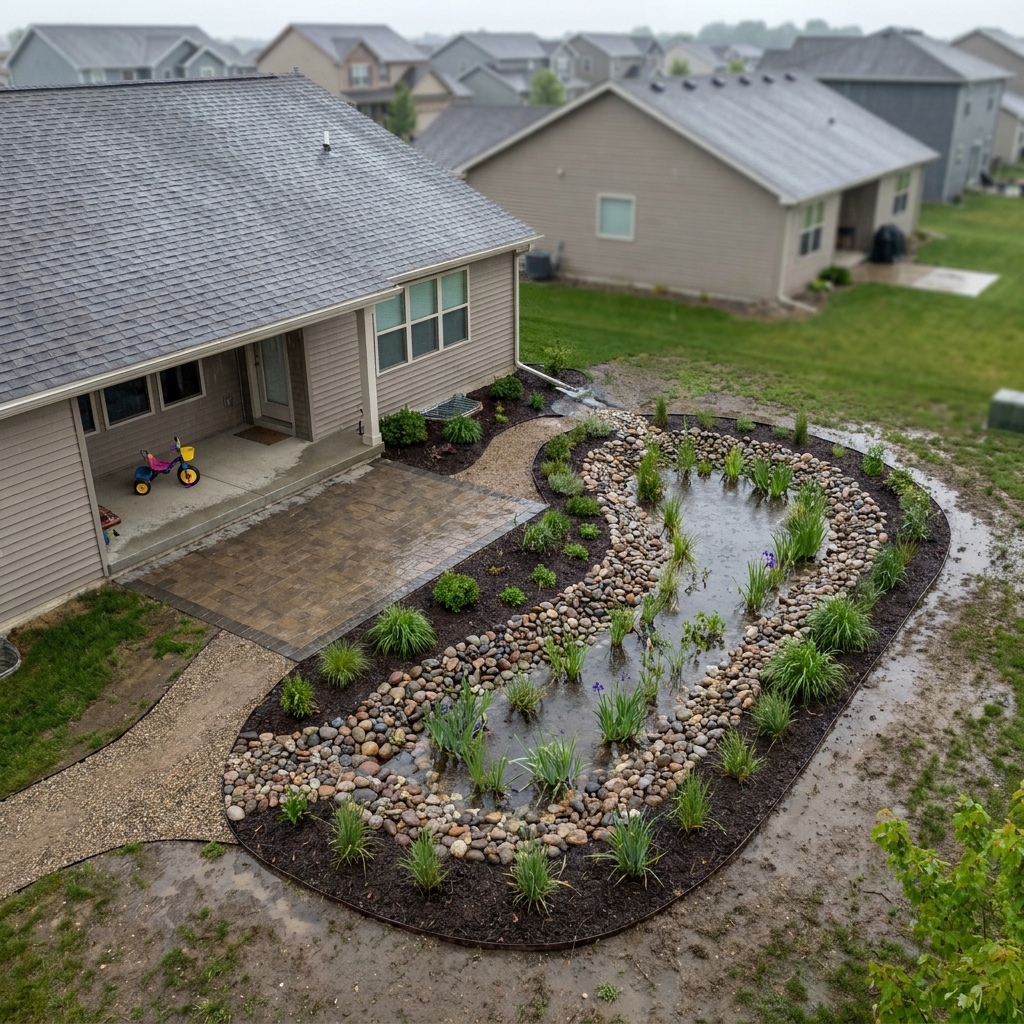
Rain gardens are shallow, planted areas that collect and absorb stormwater runoff from roofs, driveways, and sidewalks. For families, they are more than a landscaping trend; they can help reduce standing water that damages basements, yards, and children’s play spaces. When a client is keeping or receiving a home in a divorce, encouraging them to explore a rain garden can be a practical risk-management step. Less runoff can mean fewer disputes with neighbors about water flowing across property lines, which sometimes escalate into legal distractions during already stressful cases. For survivors rebuilding after leaving unsafe partners, a drier and more predictable property can reduce surprise repair bills that destabilize carefully negotiated support budgets.
Family lawyers can responsibly talk about rain gardens without giving engineering advice or promising specific results. They can, for example, ask simple questions during property discussions about recurring water issues, neighborhood flooding, or wet basements. Where concerns exist, they can suggest that clients speak with local conservation districts, city stormwater programs, or landscape professionals about whether a rain garden is appropriate. Attorneys may also consider partnering with community organizations that host rain garden workshops and volunteer-planting days, inviting clients or staff to participate. Each step sends the message that protecting a family’s legal rights includes paying attention to the land and water that surround their home.
Stormwater Projects and Housing Security for Vulnerable Families
Neighborhood-scale stormwater projects, such as bioswales, permeable pavements, and retention areas, can influence whether a particular block remains livable and affordable. When flooding repeatedly closes streets or damages low-lying rental units, families who are already in court over custody, child support, or protection orders may be forced into rapid, unwanted moves. That instability can complicate service of process, court appearance schedules, and schooling continuity for children. By contrast, communities that engage residents in planning and maintaining stormwater projects often see improved reliability of access routes and reduced disruption after heavy rain. For clients who are already stretched thin, even small reductions in environmental chaos can help them follow through on legal responsibilities.
Domestic legal representation can incorporate awareness of local stormwater projects without shifting into municipal law practice. Intake forms can include basic questions about housing stability, prior flood impacts, or transportation issues tied to bad weather. When problems surface, lawyers can ask whether the client’s neighborhood is part of any planned or existing stormwater improvements. Connecting clients with local information sessions or project committees can give them a voice in changes that affect their daily safety. In some cases, participation may help keep a rental complex viable or protect key transit routes that make parenting exchanges possible.
Eco-Friendly Landscaping in Parenting Plans and Property Settlements
Eco-friendly landscaping decisions have a direct relationship to where children play, wait for buses, and move between homes. A yard designed with native plants, shade trees, and rain-absorbing areas can offer safer, drier spaces during and after storms. When attorneys negotiate property settlements, they can encourage clients to think about modest, sustainable upgrades that support both environmental and family goals. That might include agreeing to preserve a functional rain garden, maintain shared green areas in a multi-unit property, or plan for additional planting as part of post-divorce budgeting. In high-conflict cases, even small, agreed-upon environmental improvements can become a rare point of collaboration that indirectly benefits the children.
Parenting plans also intersect with landscape and water in practical ways. Exchange locations should ideally be accessible in bad weather, free from chronic standing water or mud that makes drop-offs stressful. If one parent’s home is in a flood-prone area, attorneys can discuss contingency language for extreme weather disruptions while also suggesting the parent explore eco-friendly yard improvements. Lawyers do not need to guarantee that a rain garden will solve every issue, but they can normalize planning for local conditions. Doing so makes the parenting plan more realistic and signals to the court that both safety and continuity have been thoughtfully considered.
Community Green Infrastructure Around Courthouses and Service Hubs
Courthouses, family resource centers, and legal aid offices often sit in dense urban areas where runoff and heat build-up are real concerns. Participating in nearby rain garden or green infrastructure projects can transform the experience of clients who spend long hours waiting for hearings or services. Cooler, greener surroundings reduce physical discomfort and may ease tension for parents arriving at emotionally charged appointments. For children accompanying adults, planted areas offer visual interest and a more calming environment than bare concrete. Legal professionals who support or volunteer with these projects demonstrate a commitment to client wellbeing that extends beyond courtroom advocacy.
Firm leaders can look for opportunities to collaborate with local agencies and community groups working on stormwater improvements near justice settings. This might involve helping recruit volunteers from legal staff, sponsoring plants or materials for a courthouse rain garden, or hosting information tables when community workdays occur. Each collaboration helps anchor the family law community as a partner in the broader safety and resilience of the neighborhood. Over time, these visible projects can build trust with residents who may be wary of legal systems but are willing to show up for public, hands-on improvements. That trust can make it easier for families to seek legal help before crises escalate.
Partnering With Local Environmental Groups to Support Family Law Clients
Local environmental organizations often run programs that are directly relevant to family law clients, even if they do not use legal language. These groups may help homeowners design rain gardens, offer free tree plantings, or coordinate block-level stormwater upgrades. For clients facing tight budgets after separation or divorce, such programs can make protective landscaping changes more accessible. Family lawyers can build simple referral lists that include these resources alongside housing, counseling, and financial counseling contacts. When appropriate, they can encourage clients to attend workshops or neighborhood meetings where practical, low-cost options are explained.
Partnerships can also flow the other direction, with environmental groups learning from family law professionals about the vulnerabilities of families in transition. Joint presentations, cross-training sessions, or shared outreach events can highlight how water, housing, and legal issues intersect. This helps environmental planners design projects that take into account the needs of renters, single parents, and survivors who may lack time or resources to participate fully. As these relationships deepen, both sectors can better coordinate during emergencies, such as localized flooding that threatens shelter capacity or disrupts custody exchanges. The end result is a network of support where eco-friendly projects and legal advocacy reinforce each other.
Talking With Clients About Environmental Resilience Without Causing Alarm
Family law clients are already juggling fear, uncertainty, and emotional strain; adding environmental risk to their worries must be done carefully. Attorneys can frame rain gardens, stormwater projects, and eco-friendly landscaping as practical tools that offer small but meaningful layers of protection. Instead of emphasizing worst-case scenarios, they can focus on everyday inconveniences, like flooded driveways or slippery sidewalks, and how these affect children and court obligations. This approach keeps the conversation grounded in immediate, solvable problems rather than distant disasters. It also respects clients’ limited bandwidth by offering clear, actionable ideas, not an overwhelming list of concerns.
When lawyers raise these topics, they should be transparent about the limits of their expertise and avoid promising specific environmental outcomes. They can position themselves as connectors, pointing clients toward reputable local agencies or professionals who can evaluate the property. Simple intake questions, brief follow-up conversations, and resource handouts may be enough to help clients consider protective landscape choices. Over time, these small conversations can shift expectations about what “protection” means in family law, expanding it beyond orders and agreements to include the physical environment. As more clients participate in rain gardens, stormwater projects, and eco-friendly landscaping, their families gain additional resilience that supports the legal protections they have worked hard to secure.

